
guide
What is a pong, chow, and kong in mahjong?
Pong (pung) is three identical tiles, kong is four, chow is a three-tile run in one suit. Who may claim a discard, and how Tilehaus resolves it.
Pong
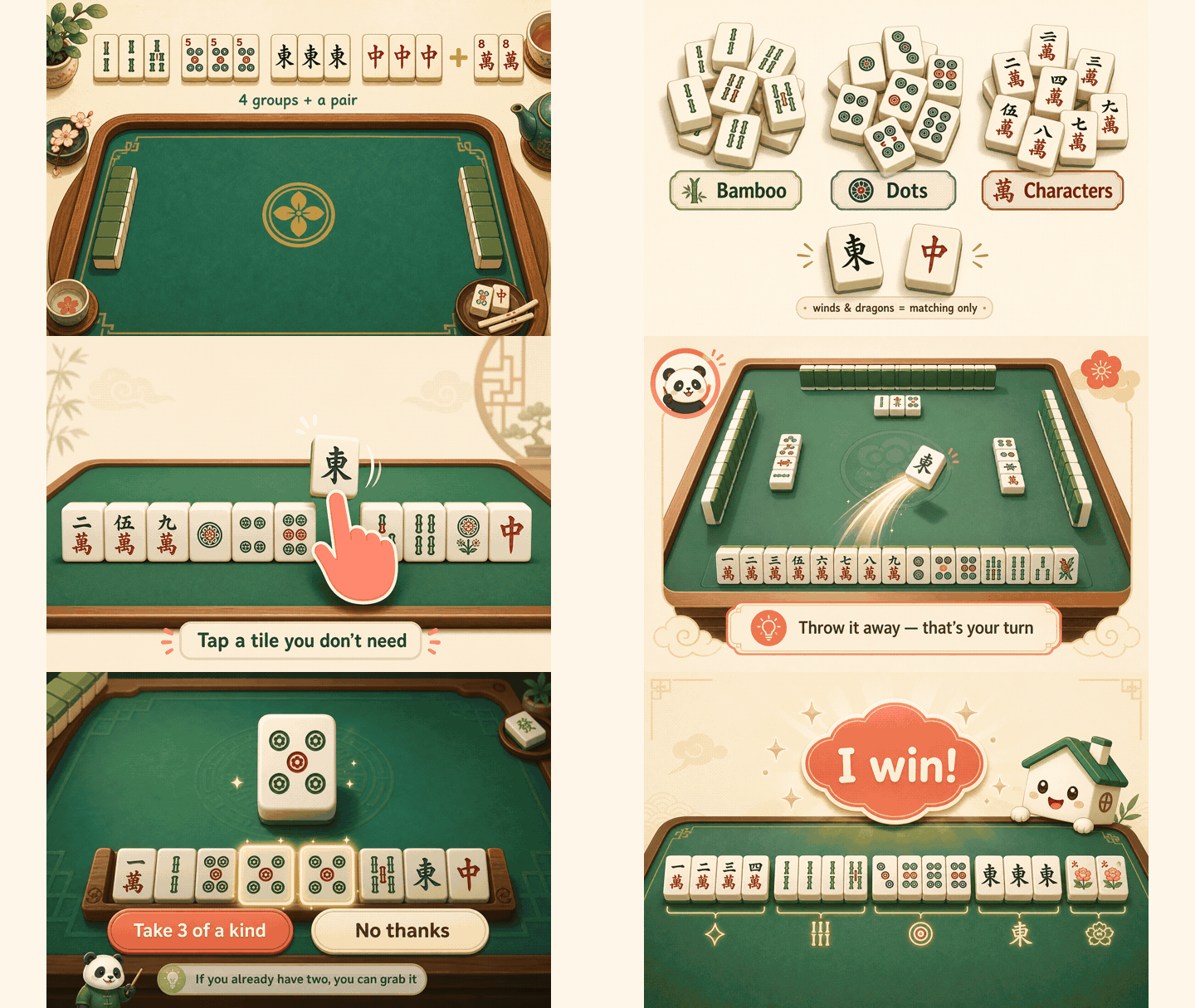
Three copies of the same tile — for example three 5-bamboo, or three East winds. Honors can pong; they cannot chow. After you pong, you expose the three tiles and discard as usual.
Kong
Four copies of the same tile. A kong from a discard is exposed. A concealed kong stays face-down except as the table requires. Either way you draw a replacement tile from the end of the wall so the hand stays complete.
Chow
Three consecutive numbers in one suit: 3-4-5 dots, never 8-9-1, and never mixed suits. Winds and dragons have no sequence, so they cannot chow. Only the player immediately after the discarder (to their left at a Chinese table) may chow that discard.
Frequently asked questions
Straight answers to what people search — for Google, voice, and assistants.
How do you win in mahjong?
You win (hu) by completing four melds and a pair — 14 tiles. A meld is a pong of three identical tiles, a kong of four, or a chow of three consecutive tiles in one suit. You can win by self-draw or by claiming a discard.
What is a pong, chow, and kong in mahjong?
A pong (pung) is three identical tiles. A kong is four identical tiles and draws a replacement from the wall. A chow is three consecutive ranks in one suit. Only the player to the discarder’s left may chow; anyone may pong, kong, or hu.